
The QR Code Scam Problem: When Convenience Becomes the Attack Vector
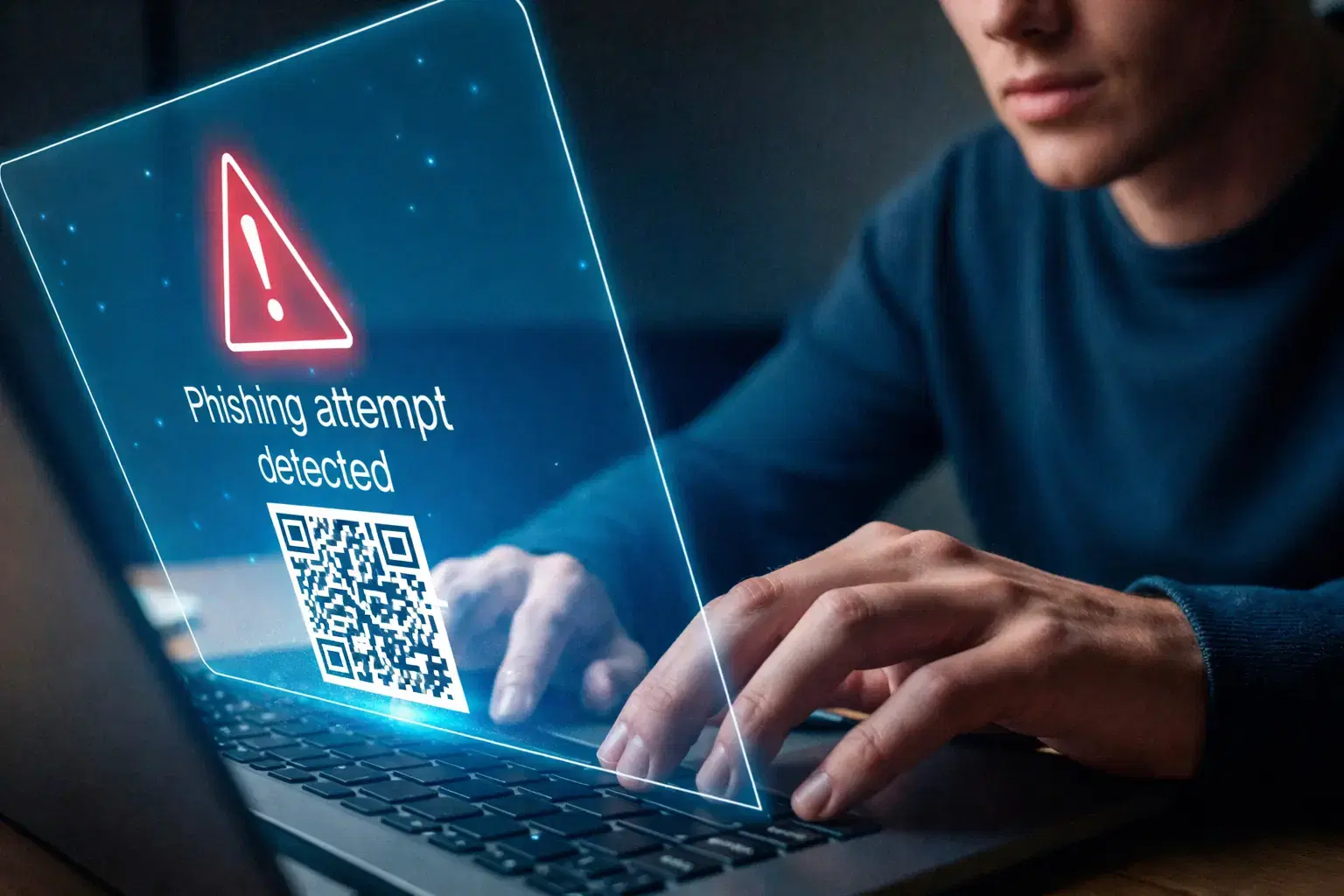
QR codes are now woven into everyday life. We scan them without thinking—at cafés, offices, events, and checkout counters. The action has become mechanical, almost invisible. And that's precisely what makes QR codes such an effective entry point for fraud.
What makes QR-based scams especially dangerous isn't their complexity—it's their familiarity. The interaction is fast, trusted, and rarely questioned.
The Threat Hiding in Plain Sight
In a world driven by convenience, QR codes have become unavoidable. Restaurants use them for menus. Businesses deploy them for contactless forms. Event organizers rely on them for check-ins. For most people, scanning a QR code is second nature—effortless and instant.
But that very ease is what makes them attractive to bad actors.
The Normal That Betrays
At their core, QR codes are simply encoded instructions—typically a URL, contact information, or an app prompt. There's nothing inherently harmful about that. But fraudsters have learned to weaponize these codes in ways that exploit user trust.
A malicious QR code can appear:
- On a public poster or flyer
- Inside a printed receipt
- Within a PDF or email attachment
- On a supposedly "trusted" webpage
Each can lead to destinations that appear legitimate, often without any obvious warning signs.
Here's the critical vulnerability: unlike a visible URL, QR codes offer no preview of where they lead. Users can't inspect the destination before scanning, making visual judgment impossible and human instinct unreliable.
How QR Code Scams Actually Work
While tactics vary, most QR scams follow familiar patterns:
Malicious redirects direct victims to websites designed to harvest credentials or trigger unwanted software installations.
Look-alike domains mimic trusted brands with near-identical URLs that even careful users might miss.
Social engineering chains begin with a scan, then prompt users to share sensitive information, join fraudulent support chats, or authorize payments.
Dynamic switching allows scammers to change where codes lead after they've been printed or distributed, turning legitimate codes malicious overnight.
Because scanning requires just a quick tap, many people assume "nothing bad can happen"—especially when the QR code appears in a legitimate context like a business or public venue.
Why Traditional Warnings Fall Short
Most QR code safety advice boils down to: "Don't scan unknown codes." But this assumes people pause to think before they act. In reality, scans happen in seconds, driven by muscle memory and routine.
Consider the context: a QR code at a busy conference registration desk doesn't get scrutinized. A code on a flyer in your local coffee shop doesn't trigger hesitation. That's exactly how QR scams bypass awareness—they target our automation, not our attention.
Traditional security filters and passive warnings can't intervene fast enough. By the time someone realizes something's wrong, the interaction has already occurred and the damage may be done.
The Case for Built-In Protection
This gap is where modern fraud prevention must evolve.
Instead of relying solely on human judgment, a safer digital ecosystem evaluates QR codes and links before interaction happens. Effective protection requires:
- Real-time destination analysis to assess risk before granting access
- Pattern recognition that identifies deceptive or compromised destinations
- Proactive blocking that stops harmful interactions before they reach the user
How DefenceNet Closes the Gap
DefenceNet is designed to provide this next layer of protection. Rather than depending on human judgment alone, DefenceNet continuously analyzes the destinations behind QR codes and URLs. When something shows signs of deception or risk—even if it looks normal on the surface—DefenceNet blocks it before harm occurs.
This approach doesn't replace security awareness. Education still matters. But it ensures that the first line of defense isn't always human reaction time competing against split-second decisions.
Moving Forward
QR codes are convenient, and they're here to stay. But convenience should never come at the cost of safety.
As mobile interactions continue to accelerate, the smartest fraud prevention moves at the same speed as user behavior—operating silently, intelligently, and proactively in the background.
Fraud doesn't wait for people to catch up. Your protection shouldn't either.